|
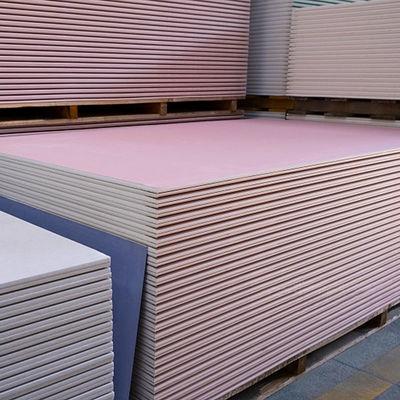
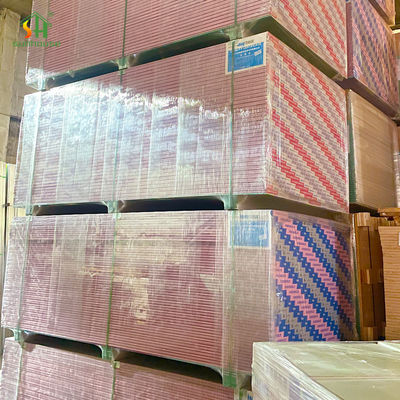
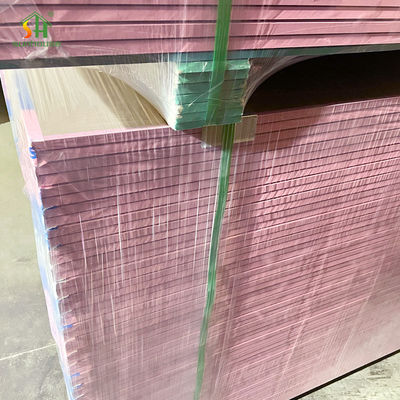
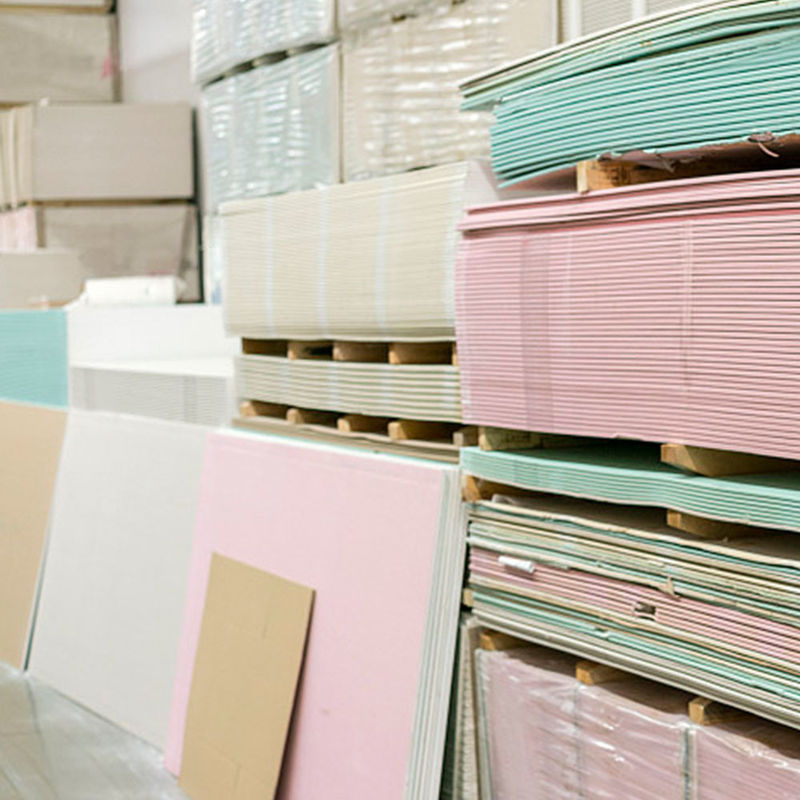
| Marka Adı: | SUNHOUSE |
| MOQ: | 500 adet |
| Tedarik Yeteneği: | Ayda 3000000 Metre/Metre |
Yangına dayanıklı alçıpan, pasif yangından korunma sistemlerinin önemli bir bileşenidir, ancak levha tek başına bir duvarın veya tavanın 30, 60, 90 veya 120 dakikalık yangına dayanıklılık elde edip etmediğini belirlemez. Güvenilir tedarik, alıcıların spesifikasyonları onaylamadan veya tedarikçi tekliflerini karşılaştırmadan önce ürün sınıflandırmasını, yangına tepki performansını ve komple montaj yangın derecelendirmelerini ayırt etmesini gerektirir.
Projenin ASTM Tip X, tescilli Tip C, EN 520 Tip F veya yerel olarak onaylanmış başka bir yangına dayanıklı levha gerektirip gerektirmediğini belirleyin.
Yalnızca yangına dayanıklı levha ismine güvenmek yerine, test edilmiş duvar, şaft, tavan veya zemin sisteminin tamamını onaylayın.
Sağlanan levhayı, kalınlığı, çerçeveyi ve kurulum ayrıntılarını ilgili test raporu veya listelenen sistemle eşleştirin.
Yangına dayanıklı alçıpan, test edilmiş yangına dayanıklı yapının yalnızca bir bileşenidir. Nihai yangına dayanıklılık süresi, levha tipi ve kalınlığı, katman sayısı, metal veya ahşap çerçeve, saplama aralığı, yalıtım, vida deseni, bağlantı işlemi, çevre detayları ve montaj kalitesinden etkilenir.
Bir tedarikçi, bu iddia test edilmiş ve belgelenmiş bir montaja bağlı olmadığı sürece, bir alçı levha levhasını 60 dakikalık, 90 dakikalık veya 120 dakikalık tam bir yangın bariyeri olarak tanımlamamalıdır. Aynı levha farklı duvar, tavan veya zemin yapılarında kullanıldığında farklı sonuçlar elde edebilir.
Ürün terminolojisi pazarlar arasında farklılık gösterir. Alıcılar, ürün seçmeden önce mimari şartnamede hangi standardın yazıldığını teyit etmelidir. Benzer görünümlü kırmızı veya pembe levhalar farklı formülasyonlara, kalınlıklara ve onaylanmış sistem uygulamalarına sahip olabilir.
| sınıflandırma | Standart veya Pazar | Genel Açıklama | Tedarik Odaklılığı |
|---|---|---|---|
| Tip X Alçıpan | ASTM C1396 / Kuzey Amerika spesifikasyonları | Yangına dayanıklı alçı panel, geçerli ürün standardı tarafından tanımlanan Tip X gerekliliklerini karşılayacak şekilde formüle edilmiş ve test edilmiştir. | Levha kalınlığını, üretici kimliğini ve kullanılacağı kesin UL, GA veya listelenen diğer düzeneği doğrulayın. |
| C Tipi Alçıpan | Tescilli Kuzey Amerika sistemleri | Test edilen belirli düzeneklerde gelişmiş performans sağlamak üzere geliştirilmiş, geliştirilmiş, tescilli, yangına dayanıklı bir levhadır. | C Tipi ürünler üreticiler arasında otomatik olarak değiştirilemez. Test edilen tasarımdaki tam ürün tanımını doğrulayın. |
| F Tipi Alçıpan | EN 520 / Avrupa spesifikasyonları | Yangına dayanıklı bina sistemlerinde kullanıma yönelik, yüksek sıcaklıklarda çekirdek yapışması iyileştirilmiş alçı levha. | Beyan edilen EN 520 levha tipini, yangına tepki sınıfını, kalınlığını ve destekleyici sistem test belgelerini inceleyin. |
| Tip DF Alçıpan | EN 520 / Avrupa spesifikasyonları | Kontrollü yoğunluk özelliklerini yüksek sıcaklıklarda geliştirilmiş çekirdek yapışmasıyla birleştiren bir kart. | Performans beyanında gösterilen her sınıflandırma harfini onaylayın ve proje spesifikasyonuyla eşleştirin. |
| Yangına ve Neme Dayanıklı Levha | Projeye özel veya çoklu performans ürünleri | Uygun iç alanlar için hem gelişmiş yangın performansı hem de azaltılmış su emilimi sağlamak üzere tasarlanmış bir alçı levha. | Hem yangın sistemi belgelerini hem de neme dayanıklılık verilerini kontrol edin. Otomatik olarak su geçirmez bir dış panel olarak değerlendirilmemelidir. |
Tekliflerde ve teknik belgelerde sıklıkla iki farklı yangın performansı kavramı karşımıza çıkar. Bir sonuç otomatik olarak diğerinin yerini alamayacağı için bunların ayrı ayrı incelenmesi gerekir.
| Performans Dönemi | Neyi Değerlendirir | Tipik Raporlama Formatı | Alıcıların Anlaması Gerekenler |
|---|---|---|---|
| Yangına Tepki | Bir malzemenin belirli test koşulları altında tutuşmaya, alev yayılmasına, ısı salınımına veya duman oluşumuna nasıl katkıda bulunduğu. | Bir malzeme sınıflandırması veya yüzey yanma sonucu. | Malzeme davranışını tanımlar ancak tam bir duvar veya tavan yangına dayanıklılık süresi oluşturmaz. |
| Yangına Dayanıklılık | Bir yangın testi sırasında bütün bir yapı elemanının bütünlük, yalıtım veya yapısal fonksiyon gibi gerekli performansı ne kadar süreyle koruduğu. | 30, 60, 90 veya 120 dakika gibi bir zaman dilimi. | Sonuç, levhalar, çerçeveler, bağlantı elemanları, yalıtım, bağlantılar ve inşaat detayları da dahil olmak üzere test edilen montaj için geçerlidir. |
Bir fiyat teklifi, yanmazlık sınıflandırmasını, yüzey alev yayılma sonucunu ve iki saatlik duvar derecelendirmesini tek bir ürün açıklamasında birleştirebilir. Bu sonuçlar farklı test yöntemlerinden gelebilir ve aynı performans ölçümü gibi sunulmamalıdır.
Alçı kristal yapısı içerisinde kimyasal olarak birleşmiş su içerir. Yangına maruz kalma sırasında ısı, bu suyun, genellikle kalsinasyon olarak bilinen bir işlem yoluyla yavaş yavaş buhar olarak salınmasına neden olur. Bu işlem karttan ısı iletimini geciktirir. Yangına dayanıklı ürünler aynı zamanda alçı çekirdeğin yüksek sıcaklıklarda daha uzun süre yapışkan kalmasına yardımcı olan takviye edici lifler ve diğer katkı maddelerini de içerebilir.
Yangına dayanıklılık süresi komple test edilmiş veya listelenmiş bir sistemden seçilmelidir. Bir bileşenin değiştirilmesi orijinal tasarımın geçerliliğini ve performansını etkileyebilir.
Yangına dayanıklı ürün, levha kalınlığı ve üretici tanımının tam olarak onaylı sisteme uygun olması gerekir.
Tek katmanlı ve çift katmanlı sistemler aynı korumayı sağlamaz. Katman miktarı ve bağlantı düzeni kritik tasarım detaylarıdır.
Saplama malzemesi, genişlik, ölçü, aralık ve izin verilen duvar yüksekliği, bölmenin tamamının stabilitesini etkiler.
Panel kaplamasının erken çıkmasını önlemek için vida tipi, uzunluğu ve sabitleme merkezleri sistem tasarımına uygun olmalıdır.
Mineral yün tipi, yoğunluğu, kalınlığı ve montaj konumu, test edilen yangın ve akustik performansın bir parçasını oluşturabilir.
Pano bağlantıları, çevre boşlukları, servis açıklıkları, elektrik kutuları ve boru geçişleri, uyumlu test edilmiş ayrıntılar gerektirir.
Aşağıdaki bilgiler, test edilmiş bir tasarımın yerine geçmekten ziyade bir satın alma çerçevesi olarak tasarlanmıştır. Nihai konfigürasyonun proje çizimlerine, yerel inşaat kurallarına ve onaylanmış yangın testi belgelerine göre onaylanması gerekir.
Başka bir alçı levha katmanı eklemek yangın performansını artırabilir, ancak alıcılar yalnızca dakikaları toplayarak yeni bir derecelendirme hesaplamamalıdır. Tek bir 30 dakikalık katman artı başka bir 30 dakikalık katman, otomatik olarak onaylanmış bir 60 dakikalık sistem oluşturmaz.
| Tedarik Kalemi | Onaylamak İçin Önerilen Bilgiler |
|---|---|
| Geçerli Pazar Standardı | ASTM C1396, EN 520 veya hedef pazarın belirlediği ilgili ulusal ürün standardı. |
| Ürün Sınıflandırması | Tip X, tescilli Tip C, Tip F, Tip DF veya projenin gerektirdiği açıkça belgelenmiş başka bir sınıflandırma. |
| Tipik Kalınlık Seçenekleri | Yaygın yangına dayanıklılık spesifikasyonları arasında pazar gerekliliklerine ve test edilmiş montaj tasarımına bağlı olarak 12,5 mm, 15 mm ve 15,9 mm bulunur. |
| Tipik Kart Boyutları | Üretim ve konteyner yükleme gereksinimlerine bağlı olarak 1200 × 2400mm, 1220 × 2440mm ve projeye özel diğer uzunluklar. |
| Kenar Tipi | Konik kenar, kare kenar veya belirtilen bağlantı işlemi ve montaj yöntemiyle uyumlu başka bir profil. |
| Tam Sistem Derecelendirmesi | Gerekli yangına dayanıklılık süresini ve inşaat ayrıntılarını gösteren test edilmiş duvar, tavan, şaft veya zemin montajı. |
| Yönetim Kurulu Tanımlaması | Saha denetimi ve izlenebilirlik için basılı ürün adı, sınıflandırma, üretim tarihi, parti kodu ve üretici bilgileri. |
| Kalite Belgeleri | Pazarın gerektirdiği ürün veri sayfası, test raporu, beyan veya sertifika ve ayrıca uygun olduğu yerde parti muayene kayıtları. |
Bir test raporu, ön sayfa sonucunun ötesinde gözden geçirilmelidir. Alıcılar ve proje ekipleri, raporun tedarik edilen gerçek ürünü ve inşaatı desteklediğini doğrulamalıdır.
| Satın Alma Riski | Potansiyel Sonuç | Önerilen Çözüm |
|---|---|---|
| Yalnızca yönetim kurulu için talep edilen derecelendirme | Ürün, kurulum sonrasında gerekli yanma süresine ulaşamayabilir. | Test edilmiş montaj ve kurulum çiziminin tamamını isteyin. |
| Onaylandıktan sonra farklı ürün değiştirildi | Orijinal test veya listeleme artık inşaat için geçerli olmayabilir. | Üreticiyi, ürün kodunu ve sınıflandırmayı satın alma siparişine kilitleyin. |
| Maliyeti düşürmek için kalınlık azaltıldı | Kurulu sistem onaylanan tasarımla eşleşmeyebilir. | Teknik onay olmadan kalınlığı veya katman miktarını değiştirmeyin. |
| Eksik test raporu sağlandı | Test numunesi ve izin verilen uygulamalar doğrulanamıyor. | Raporun tamamını veya bağımsız olarak doğrulanabilir bir sistem listesini talep edin. |
| Kurulum aksesuarları belirtilmemiş | Yanlış vidalar, saplamalar, bağlantı işlemleri veya yalıtım performansı düşürebilir. | Test edilen sisteme göre uyumlu bileşenleri satın alın ve kurun. |
| Taşıma sırasında pano hasarı | Kırık kenarlar ve ıslak tahtalar montaj kalitesini ve malzeme verimini etkileyebilir. | Palet takviyesini, kenar korumasını, konteyner desteğini ve kuru depolamayı onaylayın. |
Test edilen düzeneğin tamamına bağlıdır. Cevap yalnızca tahta kalınlığından belirlenemez. Çerçeveleme, panel konumu, sabitleme detayları, yalıtım ve bağlantı işlemlerinin tümü onaylı bir sistemle eşleşmelidir.
Otomatik olarak değil. Tip C genellikle geliştirilmiş tescilli bir üründür ve test edilen düzenekler tam bir üretici ve ürün adını belirtebilir. Herhangi bir değişiklik, kabul edilen teknik belgelerle desteklenmelidir.
Hayır. Yanmazlık veya yangına tepki sınıflandırması malzemenin davranışını tanımlar. Yangına dayanıklılık derecesi, belirli bir süre boyunca test edilen komple bir yapı elemanı için geçerlidir.
Standart yangına dayanıklı levha genellikle kuru iç mekan uygulamaları için tasarlanmıştır. Nemli yerler, yangına ve neme dayanıklı bir ürün gerektirebilir. Doğrudan su ve dış mekan uygulamaları, ayrı olarak onaylanmış bir alt tabaka sistemi gerektirir.
Bu ayrıntılar, test edilen sistem, listeleme veya onaylı mühendislik değerlendirmesi tarafından modifikasyona izin verildiği teyit edilmeden değiştirilmemelidir.
Satın alma sözleşmesini imzalamadan önce varış standardını, levha sınıflandırmasını, kalınlığını, boyutlarını, onaylı montajı, basılı tanımlamayı, paketleme yöntemini, test belgelerini ve izin verilen bileşen değişikliklerini onaylayın.
Gerekli yangın süresini, duvar veya tavan yapısını, hedef standardını, pano boyutlarını ve proje miktarını sağlayın. Ürün spesifikasyonu daha sonra uygun teknik belgeler ve ihracat paketleme çözümüyle eşleştirilebilir.

 english
 français
 Deutsch
 Italiano
 Русский
 Español
 português
 Nederlandse
 ελληνικά
 日本語
日本語
 한국
한국
 العربية
 हिन्दी
 Türkçe
 indonesia
 tiếng Việt
 ไทย
ไทย
 বাংলা
বাংলা
 فارسی
فارسی
 polski


