|
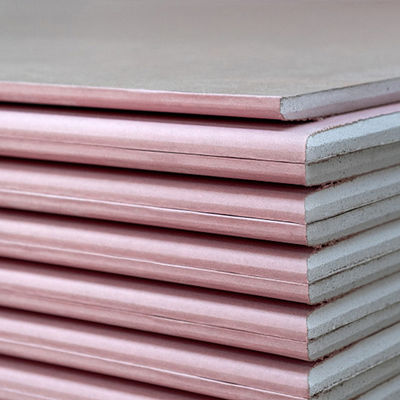
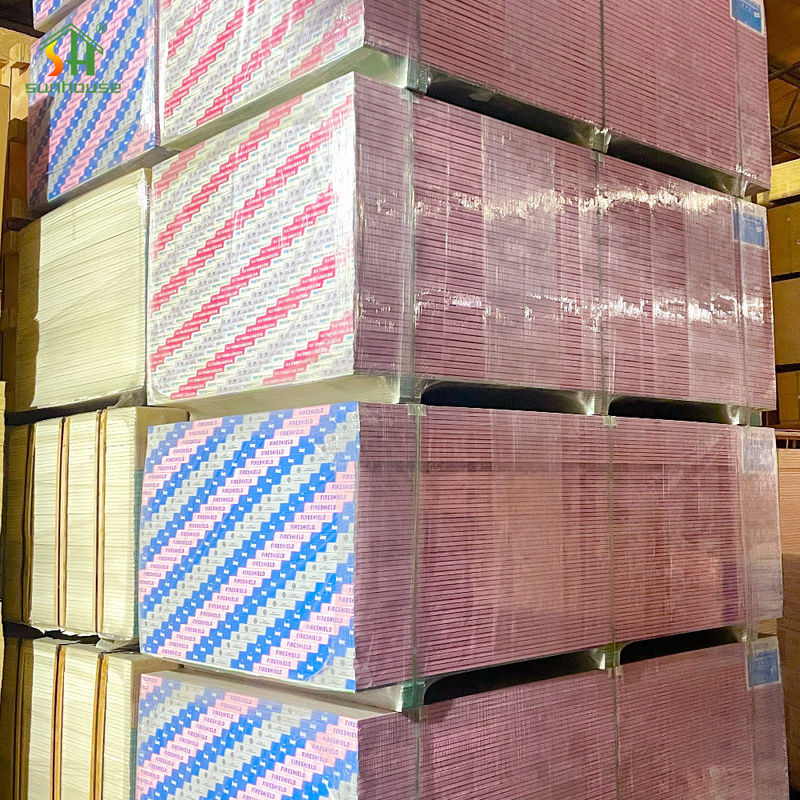
| Marka Adı: | SUNHOUSE |
| MOQ: | 500 adet |
| Tedarik Yeteneği: | Ayda 3000000 Metre/Metre |
Farklı tedarikçilerden temin edilen yangına dayanıklı alçı levhalar, çok farklı üretim tutarlılığı düzeyleri sağlarken benzer renklere, boyutlara ve ürün açıklamalarına sahip olabilir. Güvenilir bir satın alma kararı, alçı çekirdeği, takviyeyi, kaplama yapışmasını, kenar mukavemetini, boyut kontrolünü ve parti izlenebilirliğini gerekli yangına dayanıklı düzenekle birlikte gözden geçirmelidir. Yüksek sıcaklık stabilitesi yalnızca görünüm, levha ağırlığı veya tedarikçinin iddialarıyla doğrulanamaz.
Alçı çekirdeğinin büyük boşluklar, zayıf bölgeler, anormal tozlaşma veya gözle görülür malzeme ayrımı olmadan eşit şekilde oluşup oluşmadığını kontrol edin.
Bildirilen yangına dayanıklı formülasyonu ve elyafların ve katkı maddelerinin üretim boyunca tutarlı bir şekilde dağıtıldığına dair kanıtları inceleyin.
Geçerli standart kapsamında bükülme performansını, çekirdek ve kenar sertliğini, kaplama bağını ve bağlantı elemanıyla ilgili özellikleri doğrulayın.
Teslim edilen ürünü ve parti kimliğini test edilmiş veya listelenmiş duvar, tavan, şaft veya zemin-tavan tertibatıyla eşleştirin.
Çekirdek kalitesi tek bir özellik ile tanımlanmaz. Alçıtaşı saflığı, hammadde hazırlama, su kontrolü, katkı maddeleri, takviye elyafları, köpürtme, bulamaç karıştırma, levha şekillendirme, kurutma ve son kalite kontrolünün birleşik sonucudur. İstikrarlı bir üretim süreci, farklı partiler arasında tutarlı boyutlara, dayanıklılığa, yüzey yapışmasına ve ürün tanımlamasına sahip levhalar oluşturmalıdır.
Levha yoğunluğu ve birim alan başına kütle, taşımayı, mukavemeti, taşıma ağırlığını ve termal davranışı etkileyebilir, ancak daha ağır bir levha otomatik olarak daha yüksek dereceli bir yangın levhası anlamına gelmez. Yangın performansı, formülasyonun tamamına ve test edilen düzeneğe bağlıdır. Alıcılar, en ağır numuneyi seçmek yerine, onaylanmış ürün tanımlarını ve test kanıtlarını karşılaştırmalı.
Bu diyagram, kağıt yüzlü yangına dayanıklı alçı panelin genel yapısını göstermektedir. Tam çekirdek formülasyonları, elyaf türleri, katkı maddeleri, kağıt özellikleri ve ürün tasarımları üreticiye göre değişir.
Alçı matrisi panelin ana gövdesini oluşturur. Kıvamı, ham alçının kalitesinden, partikül hazırlanmasından, su oranından, kristal oluşumundan, kurutma koşullarından ve diğer bileşenlerin bulamaç içindeki dağılımından etkilenir.
Yangına dayanıklı ürünler, ısıya maruz kalma sırasında şiddetli çatlamayı ve çekirdeğin erken dökülmesini sınırlamaya yardımcı olmak için genellikle takviye lifleri kullanır. Lif miktarı, uzunluğu, dağılımı ve çekirdek formülasyonla uyumluluğu üretim tutarlılığını etkiler.
Üreticiler çekirdek yapısını, büzülmeyi, yapışmayı, su ihtiyacını, ağırlığı veya yüksek sıcaklık davranışını yönetmek için özel katkı maddeleri kullanabilir. Formülasyon, ürün ve montaj dokümantasyonu ile kontrol edilmeli ve desteklenmelidir.
Kaplama malzemeleri alçı çekirdek ile bir kompozit oluşturur ve kullanım, bitirme, bağlantı elemanı tutma ve kenar hasarına karşı direnci etkiler. Zayıf bağlanma, kırışıklıklar veya katmanlara ayrılma, proses veya nem sorunlarının göstergesi olabilir.
Alçı kristal yapısı içerisinde kimyasal olarak birleşmiş su içerir. Yangına maruz kalma sırasında ısı, bu suyun kalsinasyon yoluyla yavaş yavaş buhar olarak açığa çıkmasına neden olur. Bu işlem sırasında enerji tüketilir ve panelin arkasındaki sıcaklık artışının geciktirilmesine yardımcı olur. Birleşik su serbest bırakıldıktan sonra, kalan çekirdek büzülmeye, çatlamaya ve yapışma kaybına karşı daha savunmasız hale gelir.
Açıkta kalan levha yüzeyi ısı almaya başlarken, alçı çekirdeği korunan boşluğa hızlı sıcaklık iletimini sınırlar.
Alçıtaşı kristal yapısında bulunan su, yavaş yavaş buhar olarak açığa çıkar, ısıyı emer ve sıcaklık artışını geciktirir.
Yangına maruz kalma devam ettikçe kalsine edilmiş bölge levha boyunca daha derine doğru hareket eder. Levha kalınlığı ve katman düzeni, ısının kat etmesi gereken mesafeyi etkiler.
Dehidrasyon ilerledikçe kalan malzeme büzülebilir ve çatlaklar oluşabilir. Takviye ve özel katkı maddeleri, panelin yapışmayı daha uzun süre korumasına yardımcı olabilir.
Levha katmanları, bağlantılar, bağlantı elemanları, çerçeve ve yalıtım, tüm yapının yangına dayanıklılık sınırına ne zaman ulaştığını belirlemek için birlikte çalışır.
Bir levha örneğinin bir fenerle, fırınla veya küçük laboratuvar cihazıyla ısıtılması, kontrollü koşullar altında çatlama veya büzülmeyi karşılaştırmaya yardımcı olabilir, ancak 60 dakikalık veya 120 dakikalık bir derecelendirme oluşturmaz. Saatlik performansın geçerli tam montaj testi veya sertifika listesiyle desteklenmesi gerekir.
| Kalite Göstergesi | Alıcıların Neleri İncelemesi Gerekir? | Kötü Kontrol Edilirse Potansiyel Risk |
|---|---|---|
| Çekirdek Tekdüzeliği | Eşit renk ve doku, tutarlı yapı ve belirgin büyük boşluklar, karışmamış parçacıklar veya ayrılmış bölgeler yok. | Yerel zayıf noktalar, kararsız kesme, eşit olmayan güç ve numuneler arasında tutarsız davranış. |
| Birim Alan Başına Kütle | Onaylanan ürün verileriyle karşılaştırıldığında panolar ve üretim partileri arasındaki tutarlılık. | Önemli farklılıklar köpüklenme, kalınlık, nem veya formülasyondaki değişiklikleri gösterebilir. |
| Kalınlık Tekdüzeliği | Uygulanabilir boyut toleransı dahilinde pano köşeleri, kenarları ve merkezi boyunca yapılan ölçümler. | Düzensiz kurulum, derz bitirme sorunları ve test edilen ürünle uyumsuzluk. |
| Çekirdek Sertliği | Uygulanabilir ürün testi kapsamında alanın, kenar ve uç alanların lokal girintiye karşı direnci. | Yumuşak kenarlar, bağlantı elemanı hasarı, kullanım kayıpları ve azalan kurulum güvenilirliği. |
| Eğilme Dayanımı | Geçerli test yönteminin gerektirdiği paralel ve dik yönlerde yüklendiğinde kart direnci. | Kaldırma, kurulum ve şantiyede taşıma sırasında aşırı kırılma. |
| Bağlantı Elemanı Direnci | Uygulanabilir çivi çekme veya tutturucuyla ilgili performans ve sabitleme noktası çevresindeki kağıdın ve göbeğin durumu. | Vida başı çekilmesi, yerel ezilme veya panelin zamanından önce ayrılması. |
| Kağıttan Çekirdeğe Bağ | Gevşek kağıt, kabarcık, kırışıklık veya görünür katmanlara ayrılma olmadan sürekli yapışma. | Sonlandırma kusurları, hasarlı kenarlar ve kompozit bütünlüğünün azalması. |
| Kenar Oluşumu | Tutarlı geometriye sahip düz, kompakt ve hasarsız konik veya kare kenarlar. | Kırık köşeler, zayıf bağlantılar, daha yüksek atık ve kurulum gecikmeleri. |
| Artık Nem | Anormal nem veya yoğuşma hasarı olmadan, üretim, depolama ve nakliye sonrasında stabil durumda. | Kağıt ayrılması, bozulma, küflenme riski, ilave ağırlık ve azaltılmış kullanım gücü. |
| Toplu Tanımlama | Üretici, ürün tipi, kalınlık, tarih veya parti kodu panolara basılmış veya paletler üzerinde açıkça işaretlenmiştir. | Teslim edilen kartlar ile test belgeleri ve fabrika kalite kayıtları arasında bağlantı kurulamaması. |
Yoğunluk, imalat tutarlılığının kontrol edilmesinde faydalıdır ancak yangın performansının tek göstergesi olarak kullanılmamalıdır. Modern yangına dayanıklı levhalar farklı formülasyonlar, köpük teknolojileri ve özel çekirdek tasarımları kullanabilir. İki ürün farklı ağırlıklara sahip olabilirken her ikisi de belirli yangına dayanıklı düzenekler için onaylanmıştır.
En yararlı karşılaştırma aynı ürünün üretim partileri, kalınlık ve üretim spesifikasyonları arasındadır. Levha ağırlığındaki açıklanamayan büyük değişiklikler ek incelemeyi gerektirebilir, ancak daha yüksek ağırlık tek başına daha iyi yangın direncini kanıtlamaz.
| Ağırlık Gözlemi | Olası Açıklama | Önerilen Alıcı İşlemi |
|---|---|---|
| Ağırlık Onaylanan Numuneden Daha Yüksek | Farklı formülasyon, azaltılmış köpüklenme, daha yüksek nem, artırılmış kalınlık veya üretim varyasyonu. | Kabul etmeden önce boyutları, nem durumunu, ürün kodunu ve fabrika parti kayıtlarını kontrol edin. |
| Ağırlık Onaylanan Numuneden Daha Düşük | Artan köpüklenme, daha ince levha, formülasyon değişikliği veya azaltılmış malzeme içeriği. | Kalınlığı, dayanıklılık testlerini ve onaylı yangına dayanıklı ürün tanımıyla bağlantıyı doğrulayın. |
| Tek Palette Büyük Çeşitlilik | Düzensiz kuruma, kalınlık değişimi, neme maruz kalma veya tutarsız üretim kontrolü. | Örneklemeyi genişletin ve etkilenen üretim partisini izole edin. |
| Tutarlı Ağırlık Ama Zayıf Kenarlar | Kenar oluşumu, kağıt bağı veya kuruma yeterince kontrol edilmediğinde ağırlık merkezde yoğunlaşabilir. | Yalnızca ağırlığa göre onaylamayın; Kenar ve mekanik özellik kontrolleri yapın. |
Güçlendirici lifler, şiddetli çatlamayı azaltmaya ve ısıya maruz kalma sırasında yapışmayı korumaya yardımcı olmak için genellikle yangına dayanıklı alçı çekirdeklere dahil edilir. Ancak alıcılar normalde elyaf miktarını veya dağılımını kırık bir kenara bakarak doğru bir şekilde belirleyemezler.
Cam elyafı gösteren kırık bir numune takviyenin göstergesi olabilir ancak ürünün Tip X, Tip C, Tip F veya başka bir yangına dayanıklılık sınıflandırmasını karşıladığını kanıtlamaz. Ürün uyumluluk belgeleri ve montaj testi kanıtları gerekli olmaya devam etmektedir.
Alçı kimyasal olarak birleşmiş suyu kaybettikçe yapısı değişir ve büzüşebilir. Çekirdek tutunmayı sağlayamazsa çatlaklar ve açıklıklar oluşabilir. Geliştirilmiş tescilli ürünler, belirli test edilen düzeneklerdeki davranışı iyileştirmek için ek elyaflar veya büzülmeyi telafi eden katkı maddeleri kullanabilir.
Hammadde kalitesi ve kristal oluşumu, sertleşmiş alçı matrisinin temel yapısını etkiler.
Su oranı, karıştırma enerjisi ve sertleşme kontrolü gözenek yapısını, yoğunluğunu ve üretim tutarlılığını etkiler.
Düzgün dağıtılmış takviye, gelişen çatlakların kapatılmasına ve erken malzeme dökülmesinin sınırlandırılmasına yardımcı olabilir.
Geliştirilmiş formülasyonlar, belirli yangın testleri sırasında büzülmeyi dengelemek veya çekirdek stabilitesini korumak için tasarlanmış katkı maddeleri içerebilir.
Daha fazla kalınlık kalsinasyonun ilerleyiş mesafesini artırır ancak kalınlık tek başına sistem derecelendirmesini tanımlamaz.
Çoklu katmanlar ve kademeli bağlantılar, test edilmiş bir yapıya göre kurulduğunda doğrudan ısı yollarını geciktirebilir.
Vidaların etrafındaki göbek ve yüzey bütünlüğü, montaj testi sırasında astarın ne kadar süre takılı kalacağını etkiler.
Saplama hareketi, levha bağlantıları ve çevre detayları, sistemin tamamında çatlakların ve açıklıkların oluşma şeklini etkiler.
Ürün kalitesi testleri, kartların tutarlı bir şekilde üretildiğini ve amaçlandığı gibi kullanılıp kurulabileceğini doğrulamaya yardımcı olur. Gerekli test yöntemleri ve kabul değerleri, geçerli ürün standardına, levha tipine, kalınlığına ve hedef pazara bağlıdır.
| Muayene veya Test | Neyi Değerlendirir | Satın Alma Değeri |
|---|---|---|
| Boyutlar ve Karelik | Uzunluk, genişlik, kalınlık, kenar profili, çapraz fark ve genel tahta geometrisi. | Kurulum uyumluluğunu ve boyutsal tutarlılığı doğrular. |
| Eğilme Dayanımı | Belirtilen levha yönlerinde bükülmeye karşı direnç. | Yükleme, kaldırma ve kurulum sırasında kırılma riskinin tahmin edilmesine yardımcı olur. |
| Çekirdek Sertliği | Alçı çekirdeğinin belirtilen test konumlarındaki yerel direnci. | Yumuşak veya zayıf konsolide çekirdek alanlarının belirlenmesine yardımcı olur. |
| Kenar ve Uç Sertliği | Levha kenarlarının ve uçlarının lokal hasara karşı direnci. | Köşe kırılması, bağlantı kalitesi ve bağlantı elemanı montajı ile ilgilidir. |
| Çivi Çekme veya Bağlantı Elemanı Direnci | Uygulanabilir yönteme göre bağlantı elemanı başlığının içinden çekilmesine karşı direnç. | Sabitlemelerin etrafındaki çekirdek ve yüzey bütünlüğünün değerlendirilmesini destekler. |
| Nemlendirilmiş Sapma | Belirtilen nem koşullarına maruz kaldıktan sonra panelin sapması. | İlgili tavan uygulamaları için boyutsal stabilitenin değerlendirilmesine yardımcı olur. |
| Kağıt Bond Denetimi | Kaplama kağıdı ile alçı çekirdeği arasındaki yapışma. | Delaminasyon riskini ve bitirme sorunlarını tanımlar. |
| Birim Alan Başına Kütle | Yüzey alanı ve kalınlığına göre tahta ağırlığı. | Toplu tutarlılık kontrollerini ve nakliye planlamasını destekler. |
| Nem Durumu | Anormal nem, yoğuşma veya eksik kuruma belirtileri. | Tahtaların çarpık, zayıf veya nemden zarar görmesi riskini azaltır. |
| Görsel Kesit Denetimi | Görünür çekirdek bütünlüğü, boşluklar, karışmamış parçacıklar ve kenar durumu. | Başlangıç tarama yöntemi olarak faydalıdır ancak standart testlerin yerini almaz. |
Bir levha, gerekli yangına dayanıklı düzenek için onaya sahip olmasa da, bükülme veya sertlik testlerinde iyi performans gösterebilir. Fiziksel ürün testleri ve yangına dayanıklılık testleri farklı sorulara yanıt verir ve her ikisi de gerektiğinde gözden geçirilmelidir.
Büyük boşluklar yerel zayıf bölgeler ve tutarsız kesme davranışları oluşturabilir.
Aşırı pudralama, zayıf ayarın, nem hasarının veya zayıf üretim kontrolünün göstergesi olabilir.
Konsantre lif demetleri eşit olmayan karışım ve dağıtıma işaret edebilir.
Gevşek kaplama, bitirme hatasına, kenar hasarına ve kötü kullanıma neden olabilir.
Zayıf kenarlar kırılmayı, vida hasarını ve bağlantı noktası tedavisi sorunlarını artırır.
Kalınlık değişimi kurulum hizalamasını ve ürün uyumluluğunu etkileyebilir.
Neme maruz kalma, taşıma gücünü azaltabilir ve kaplama bağlantısına zarar verebilir.
Beklenmeyen kirlenme, uygun olmayan ham madde veya depolama koşullarının göstergesi olabilir.
Tekrarlanan hasarlar zayıf kenarlardan, kötü istiflemeden veya yetersiz paketlemeden kaynaklanabilir.
Tanımlanamayan kartlar onaylı ürün belgelerine güvenilir bir şekilde bağlanamaz.
Karışık işaretler kontrolsüz yükleme veya değiştirmeyi gösterebilir.
Önemli farklılıklar kalınlık, nem, köpüklenme veya formülasyondaki farklılıkları gösterebilir.
Alıcılar, numuneler arasındaki göreceli çekirdek davranışını değerlendirmek için kontrollü karşılaştırma testlerini kullanabilir ancak test koşulları ve amacı açıkça tanımlanmalıdır. Sonuçlar, bağımsız bir saatlik yangın derecelendirmesi yerine tedarikçinin kalite kontrol bilgileri olarak ele alınmalıdır.
| Karşılaştırma Öğesi | Olası Gözlem | Doğru Yorum |
|---|---|---|
| Doğrusal Büzülme | Tanımlanmış bir ısıtma döngüsünden sonra numune boyutlarında değişiklik. | Yalnızca numune boyutu, ısıtma hızı ve maruz kalma tutarlı olduğunda kontrollü ürün karşılaştırması için kullanışlıdır. |
| Çatlak Geliştirme | Isıtma sonrasında görünür çatlakların sayısı, genişliği ve konumu. | Göreceli çekirdek yapışmasını gösterebilir ancak tam bir duvarda kısıtlama ve yüklemeyi yeniden oluşturmaz. |
| Çekirdek Düşüşü | Isıtılan numuneden malzeme kaybı. | Karşılaştırmalı kalite incelemesini destekleyebilir ancak montaj dayanıklılığını sağlayamaz. |
| Numune Eğrilmesi | Maruz kalma ve soğuma sonrasında bozulma. | Formülasyon ve ısıtma koşullarını yansıtabilir; karşılaştırma aynı numune hazırlığını gerektirir. |
| Artık Uyum | Kalsine edilen numunenin tek parça halinde kalabilmesi. | Standartlaştırılmış bir sistem testinin yerine geçmez, dahili bir üretim göstergesi olarak faydalıdır. |
| Arka Taraf Sıcaklığı | Küçük bir tahta numunesinin arkasında ölçülen sıcaklık. | Sonuç büyük ölçüde aparata, izolasyona, numune boyutuna ve maruz kalmaya bağlıdır ve duvar derecelendirmesi olarak sunulmamalıdır. |
En uygun kullanım, mevcut üretimin aynı ürüne ait onaylanmış referans numunesi ile karşılaştırılmasıdır. Tedarikçi testten önce numune boyutlarını, koşullandırmayı, fırın profilini, ölçüm yöntemini ve kabul kriterlerini tanımlamalıdır.
Gelen alçının saflığının, nem ve parçacık özelliklerinin dahili gerekliliklere göre test edilip edilmediğini kontrol edin.
Kontrollü dozajlama, tutarlı lif, katkı maddesi, nişasta, köpürtücü madde ve su miktarlarının korunmasına yardımcı olur.
Karıştırma süresi, hız ve sıcaklık, katkı maddesinin dağılımını ve çekirdek homojenliğini etkiler.
Sürekli kalınlık, genişlik ve kenar profili izleme, boyutsal değişimi azaltır.
Kontrollü kurutma, kağıt bağına zarar vermeden veya çekirdeği aşırı derecede kalsine etmeden proses nemini gidermeye yardımcı olur.
Üretim sırasında yüzey kusurları, kenar hasarları, boyutlar, işaretler ve levha ağırlığı kontrol edilmelidir.
Fiziksel testler, kalibre edilmiş ekipman ve kaydedilen sonuçlar kullanılarak tanımlanmış bir sıklıkta gerçekleştirilmelidir.
Başarısız veya karışık partiler izole edilmeli, tanımlanmalı ve onaylanmış ihracat siparişlerine girmeleri engellenmelidir.
Muayene, teslim edilen malzemeyi onaylanmış numune, ürün spesifikasyonu ve yangın sistemi dokümantasyonu ile birleştirmelidir. Numune alma miktarı ve kabul kuralları, kusurlar bulunduktan sonra değil, üretimden önce kararlaştırılmalıdır.
Yalnızca dikkatle seçilmiş bir numuneyi incelemek yerine parti ağırlığını, boyutları, kenar kalitesini, kağıt bağını, kırılma oranını ve laboratuvar kayıtlarını karşılaştırın.
Ürün standartlarını, onaylı montaj referanslarını, güncel listeleri, rapor orijinalliğini ve izlenebilir ürün işaretlerini doğrulayın.
Palet sağlamlığını, neme karşı korumayı, yükleme yöntemini, talep işlemeyi ve tedarikçinin toplu siparişlerde onaylanan kaliteyi yeniden üretme yeteneğini değerlendirin.
| Tedarikçi Değerlendirme Öğesi | Zayıf Tedarikçi Yanıtı | Tercih Edilen Tedarikçi Yanıtı |
|---|---|---|
| Çekirdek Formülasyonu | “Tahtamız yüksek yoğunluğa sahiptir ve yanmaz.” | Ürün sınıflandırmasını, onaylanmış montajları, üretim kontrollerini ve geçerli teknik belgeleri tanımlar. |
| Lif İçeriği | Destekleyici belgeler olmadan kırık bir tahta kenarını gösterir. | Kontrollü dozajı açıklar ve ürün ve sistem uyumluluğuna dair kanıt sağlar. |
| Tahta Ağırlığı | Daha ağır tahtanın her zaman daha iyi yangın direncine sahip olduğunu iddia ediyor. | Nominal kütle, tolerans, parti verileri ve onaylı ürün tanımlaması sağlar. |
| Yangın Performansı | İki saatlik derecelendirmenin kanıtı olarak bir meşale testi videosu kullanır. | Test edilmiş veya listelenmiş düzeneğin tamamını sağlar ve kartın içindeki rolünü açıklar. |
| Kalite Kontrolü | Test ayrıntıları olmadan yalnızca dahili bir geçiş sertifikası sağlar. | Seri kayıtları, test yöntemleri, ekipman bilgileri ve mutabakata varılan denetim kriterlerini sağlar. |
| İzlenebilirlik | Levhaların ve paletlerin tanımlanabilir bir üretim kodu yoktur. | Her palet ve karton partisi, üretim ve denetim kayıtlarıyla ilişkilendirilebilir. |
Otomatik olarak değil. Yoğunluk, ağırlığı ve fiziksel özellikleri etkileyebilir ancak yangın performansı, çekirdek formülasyonunun tamamına ve test edilen düzeneğe bağlıdır. Yalnızca yoğunluk yerine onaylı ürün tanımlarını karşılaştırın.
Kırık bir kenar, liflerin mevcut olduğunu gösterebilir ancak dozajı, dağıtımı veya ürün sınıflandırmasını güvenilir bir şekilde doğrulayamaz. Üretim kontrolleri ve teknik belgeler de gereklidir.
Hayır. Torç testi, ürün sınıflandırma prosedürü değildir ve tam bir yangına dayanıklı düzeneği yeniden oluşturmaz. Tip X veya başka bir sınıflandırma, geçerli standart ve onaylanmış belgelerle desteklenmelidir.
Mutlaka değil. Eğilme mukavemeti, kağıt bağı, kenar kalitesi, çekirdek yapısı ve nem durumunun tümü kırılmayı etkiler. Levha ağırlığı standart fiziksel testlerle birlikte gözden geçirilmelidir.
Hayır. Fiziksel dayanıklılık testi, kullanım ve ürün tutarlılığının değerlendirilmesine yardımcı olur; ayrıca saatlik yangın direncinin, eksiksiz olarak test edilmiş veya listelenmiş bir tertibatla gösterilmesi gerekir.
Kimyasal olarak birleşen su açığa çıktıkça alçının yapısı değişir ve büzüşebilir. Güçlendirici elyaflar, katkı maddeleri, levha katmanları ve montaj kısıtlamaları, çatlakların nasıl oluştuğunu kontrol etmeye yardımcı olur.
Her zaman değil. Kontrollü gözenek yapısı ürün tasarımının bir parçası olabilir. Sorun, onaylanmış üretim spesifikasyonlarının dışına çıkan anormal, büyük veya düzensiz işemedir.
Hayır. Tip C genellikle tescilli, geliştirilmiş bir Tip X ürünüdür. Üretici, ürün adı, pano baskısı, listeleme adı ve onaylı montaj belgeleriyle tanımlanmalıdır.
Tek bir kontrol yeterli değildir. Alıcılar boyutları, ağırlık tutarlılığını, kesit incelemesini, kenar durumunu, fiziksel test kayıtlarını, ürün işaretlerini ve belge doğrulamayı birleştirmelidir.
Açıkça tanımlanmış bir referans ürünü onaylayın, ölçülebilir toleransları tanımlayın, seri kayıtları isteyin, numuneleri saklayın ve izinsiz formülasyon veya fabrika değişikliklerini yasaklayın.
Gerekli levha sınıflandırmasını, kalınlığını, hedef standardını, montaj numarasını, fiziksel test gerekliliklerini, paketleme yöntemini ve proje miktarını sağlayın. Tedarikçinin temel kalitesi, parti tutarlılığı, teknik belgeleri ve sevkıyat öncesi denetim planı üretimden önce incelenebilir.

 english
 français
 Deutsch
 Italiano
 Русский
 Español
 português
 Nederlandse
 ελληνικά
 日本語
日本語
 한국
한국
 العربية
 हिन्दी
 Türkçe
 indonesia
 tiếng Việt
 ไทย
ไทย
 বাংলা
বাংলা
 فارسی
فارسی
 polski


